

Jay Rocco is the Founder and Editor of FullStack Alpha. He has tested 200+ AI stock tools since 2022 and run 15+ AI trading platforms on live accounts with his own money. He reviews the software. He does not tell you what stocks to buy.
Algorithmic trading Reddit advice is worth following when it tells you to start with simple rules, clean data, realistic costs and untouched test data, and worth ignoring when it offers profit screenshots, copied scripts or a backtest’s best parameter set. r/algotrading is a research forum, not a performance audit, so treat every return claim as unverified. The advice that burns cash skips costs: a strategy that earns 0.10% per trade before costs keeps only 0.02% after a 0.08% round trip in spread and slippage. One 2026 change older threads miss: FINRA replaced the pattern day trader rule and its $25,000 minimum with new intraday margin requirements effective June 4, 2026, and brokers may phase them in until October 20, 2027.
Quick Answer: Treat algorithmic trading reddit advice as a research lead: simple rules, clean data, realistic costs, and untouched test data deserve attention; profit screenshots don’t prove an edge. Automation can enforce discipline, but it can also repeat a bad decision faster than you can cancel it. Beginners should prove the trading logic before connecting a funded account. Our broker and bot reviews live on the AI Stock Trading Bots home page.
Key Takeaways
- r/algotrading is useful for research questions, implementation problems, and criticism, not verified performance rankings.
- Python is a practical starting language for testing rules and handling market data.
- QuantConnect and TradingView serve different workflows; choose around your strategy rather than community popularity.
- ChatGPT can draft code, but someone must check its calculations and order handling.
- FullStack Alpha favors evidence after costs over attractive historical charts.
- A passive benchmark belongs beside every active strategy report.
- Most algorithmic trading reddit threads predate June 4, 2026, when FINRA’s new intraday margin rules replaced the $25,000 pattern day trader minimum, so check your broker’s current rules before trusting an old answer.
What is algorithmic trading, and how does it work?
Algorithmic trading uses written rules to decide when to trade, how much to trade, and how to manage orders. A basic system reads data, checks conditions, applies risk limits, and sends instructions through a broker connection.
An algorithm might buy after a closing price crosses a moving average, then exit when that condition reverses. A moving average smooths recent prices. The rule is mechanical, but choosing that rule remains a human research decision.
An application programming interface, or API, lets software communicate with a broker. The API doesn’t judge whether your strategy makes sense. It checks whether a request is valid and permitted.
Separate research, execution, and monitoring. Research asks whether a pattern has value. Execution converts decisions into orders. Monitoring catches stale prices, rejected orders, and positions that disagree with your records.
A profitable simulation cannot repair broken order handling.
What programming language should beginners use?
Python is a sensible default because it supports data analysis, statistics, and broker connections. Learn tables, timestamps, functions, and testing before building a complicated model.
Pine Script suits TradingView chart studies and chart-based strategy experiments. C++ may suit latency-sensitive systems, but learning it won’t give a beginner faster market access or better trading logic.
For algorithmic trading reddit readers, the useful question is whether you can explain every order the program creates. If the answer is no, keep it disconnected from money. Our Python algorithmic trading roadmap lays out the learning order from data to live orders.
The related guide on what retail traders get wrong about algorithmic trading AI covers the gap between generating a model and operating a trading system.
What does algorithmic trading reddit advice say in short?
The useful algorithmic trading reddit advice centers on starting simple, checking data quality, including costs, and challenging attractive backtests. Community discussions can expose a weak assumption, but anonymous comments cannot establish a dependable success rate.
Recurring themes in r/algotrading include overfitting, survivorship bias, execution costs, and the difficulty of moving from historical tests to live trading. These are research themes, not a formal community vote.
Overfitting means choosing rules that match historical noise. Survivorship bias means testing only assets that survived, while excluding failures that a trader could have owned.
The September 15, 2026 weekly discussion thread provides a place to examine research and implementation questions. Read disagreements and follow-up comments, not just the highest-ranked answer.
This article uses desk research and public discussion threads. It doesn’t claim hands-on platform testing, a live search-ranking audit, or verification of anonymous account returns.
Is algorithmic trading worth it according to Reddit experiences?
It can be worth studying if you enjoy coding, testing, and maintaining systems. Public Reddit experiences cannot tell you your expected return because posters use different markets, account sizes, and reporting methods.
A profitable-trader discussion can help you form questions. It cannot establish how profitable the silent users were, or how many abandoned their systems.
Use an evidence ladder:
- A screenshot is a claim. Our list of AI trading bot red flags shows how many of those posts turn out to be ads.
- Reproducible rules and data let you inspect the claim.
- Untouched tests challenge the rules.
- Broker records help assess live execution, though missing context can still mislead.
When searching reddit algorithmic trading, save explanations of failure. Those often tell you more about operating a system than victory laps.
The strongest Reddit contribution is a precise objection you can test. Upvotes remain a poor substitute for transaction records.
Which Reddit advice holds up under real trading costs?
Advice holds up when the strategy remains useful after commissions, bid-ask spread, slippage, financing, data fees, and maintenance. A tiny historical advantage can disappear before the first live trade finishes.
The spread is the gap between buying and selling quotes. Slippage is the difference between the expected execution price and the actual fill. Both can hurt even when the broker advertises commission-free trading.
Use this table as an audit sheet for Reddit claims.
| What the advice says | Does it hold up? | Why |
|---|---|---|
| Start with simple rules | Usually | Fewer choices make failures easier to inspect. |
| Use free historical data | For early learning | Coverage, adjustments, and timestamps still need checks. |
| Paper trade before funding | Yes, with limits | Simulation can reveal bugs but flatter execution. |
| Use the highest backtest return | No | Repeated searching can select noise. |
| Trade more to earn more | Only with evidence | Extra turnover increases the execution hurdle. |
Can you actually make money with algorithmic trading?
Yes, but automation creates no automatic entitlement to profit. You need positive expected results after costs, suitable account risk, and an edge that survives new conditions.
Expected profit per trade equals win probability multiplied by average win, minus loss probability multiplied by average loss, minus costs. A high win rate can conceal occasional losses large enough to erase the gains.
Compare your system with an appropriate passive benchmark using comparable exposure. Also inspect drawdown, the decline from a previous account peak, and time spent underwater.
For a practical research starting point, read how to find a trading edge before risking money.
How much does it cost to start, and how much capital do you need?
Learning can begin with free software and simulated trading. Funded requirements depend on your broker, country, instrument, data needs, and account permissions.
Separate research spending from trading capital. Include subscriptions, exchange data, hosting, borrowing costs, and tax preparation where applicable. Don’t invent a universal starter balance.
If minimum order size prevents sensible position sizing, the instrument doesn’t fit your account. Position sizing means choosing exposure based on an acceptable loss, rather than available buying power.
For beginners, recurring bills deserve the same scrutiny as trade costs. See what AI trading software charges for versus what you get.
How do you test an algorithmic trading Reddit claim before risking money?
Test an algorithmic trading Reddit claim the same way you would test your own idea: write it down, split the data, add costs, count your attempts, and only then paper trade. Here is the order that catches the most expensive mistakes first.
- Write the rule in one paragraph. Entry, exit, position size and the market it trades. If the post cannot be turned into that paragraph, it is not a strategy.
- Split the history before you look at results. For example, build on 2018 to 2023 and lock 2024 to 2026 away as untouched test data. Open the locked period once.
- Count every variation you try. Ten parameter sets tested means ten chances to fit noise. Write the number next to the result.
- Charge realistic costs on every fill. Use the worked example below as a floor, not a ceiling.
- Paper trade for at least 30 sessions and compare each paper fill to the price your backtest assumed. Our piece on why paper trading proves nothing until slippage shows up shows how to log the gap.
- Go live at the smallest size your broker allows, with a written loss limit that stops the bot.
Worked example: how costs eat a small edge.
| Per trade, on a $10,000 position | Gross | Spread and slippage (0.08%) | Net |
|---|---|---|---|
| One trade at a 0.10% edge | $10 | $8 | $2 |
| 500 trades a year | $5,000 | $4,000 | $1,000 |
The numbers are illustrative, but the shape is the point: costs took 80% of the edge before commissions, data fees or taxes. A strategy that trades five times more often needs an edge five times larger to stay in the same place.
Decision rule: if a claimed strategy still looks good after untouched data and a cost of at least twice your expected spread, keep testing it. If it only works on the period the poster tuned it on, drop it.
What changed for algorithmic day traders in 2026 that older Reddit threads miss?
The pattern day trader rule that dominates older algorithmic trading Reddit answers is being replaced. FINRA’s Regulatory Notice 26-10, published April 20, 2026, amends Rule 4210 to replace “in their entirety” the old day trading margin requirements, including the day-trade count test and the $25,000 minimum equity requirement. The SEC granted accelerated approval on April 14, 2026.
What replaces it, per the notice:
- An intraday margin deficit calculation on days with a margin level-reducing transaction. Deficits must be satisfied promptly and can stay outstanding until the close of business on the 15th business day.
- A 90-day restriction on opening new short positions or debit balances if a customer repeatedly fails to meet deficits by the fifth business day. Deficits at or below the lesser of 5% of account equity or $1,000 do not count toward that pattern.
- No change to maintenance margin. The new rule supplements it.
The catch: the rule took effect June 4, 2026, but firms may phase in implementation until October 20, 2027. Your broker may still apply the old day-trade count for now.
Decision rule: before you deploy an intraday bot, ask your broker in writing which day trading margin regime applies to your account today. Then code the bot to stop opening new positions if an intraday margin deficit appears, because a 90-day restriction would freeze the strategy.
Which algorithmic trading reddit advice fits day traders, swing traders, and long-term investors?
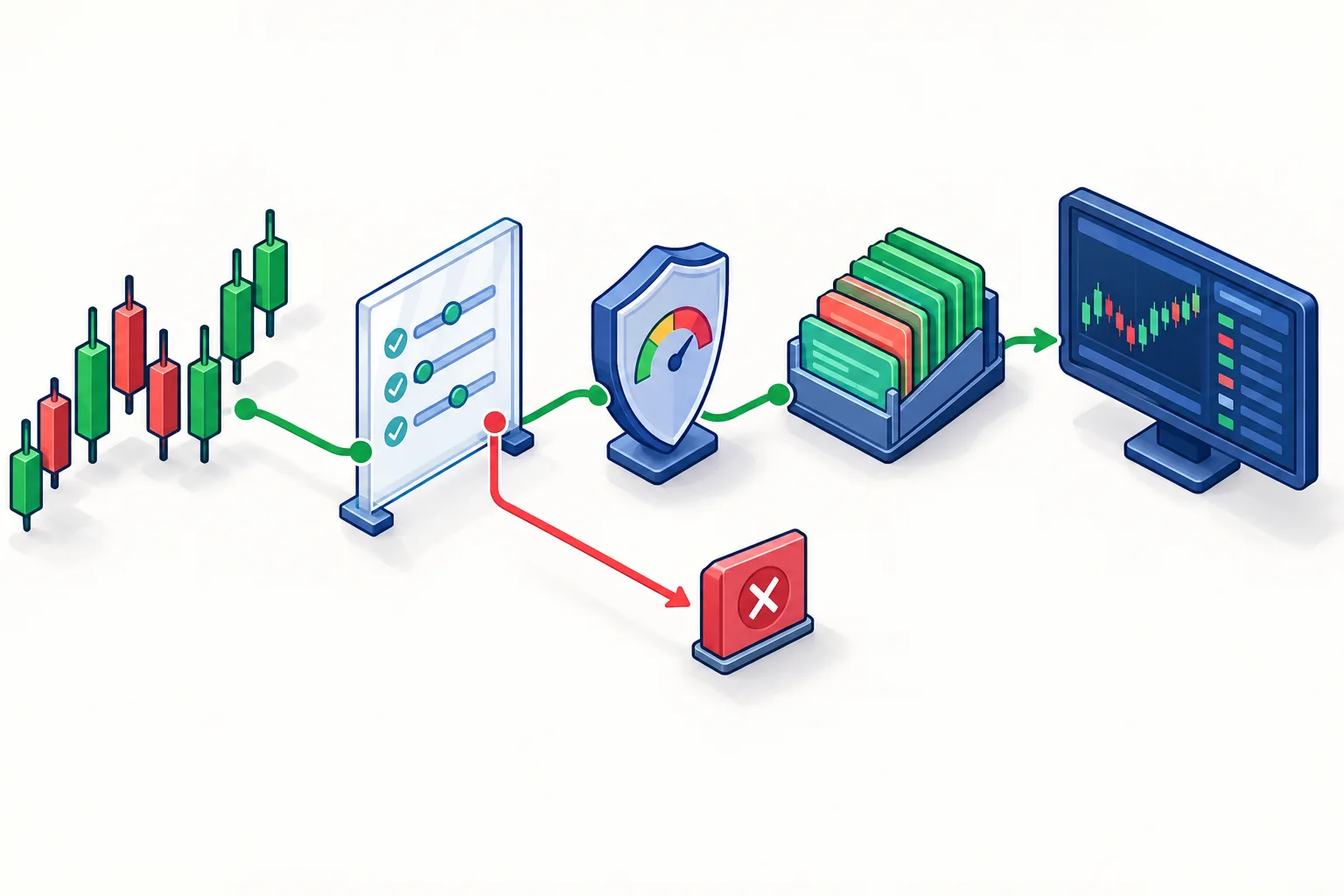
Swing traders and long-term position investors can often begin with slower rules and less demanding execution. Day traders need tighter monitoring; scalpers face a harder problem because small price differences make speed and fill quality central.
Day trader: Test intraday liquidity, rejected orders, partial fills, and position reconciliation. Power hour, the final trading hour, can behave differently from midday. The clock belongs in the research.
Swing trader: Account for overnight gaps and earnings season. A stop loss triggers an exit process; it doesn’t guarantee the intended price when the market jumps past it.
Scalper: Treat simulated fills skeptically. A touched limit price doesn’t prove your order would have reached the front of the queue.
Long-term position investor: Begin with rebalancing or exposure rules. Lower turnover reduces execution demands, though model errors and taxes still matter.
Which beginner strategies are reasonable to study?
Simple trend following, scheduled rebalancing, and carefully defined mean reversion are reasonable research exercises. None is profitable merely because it has a familiar name.
Trend following trades sustained movement. Mean reversion expects a price stretched from a reference level to move back. That second idea can become catching a falling knife if the reference stops being useful.
Translate price action, meaning observed price movement, into measurable rules. Support and resistance are historical price areas where movement stalled. A clean setup needs explicit entry and exit conditions, not a chart that looks persuasive afterward.
A basic setup for the breakout might require price to leave a defined range after tight consolidation, a period of narrow movement. Basing describes a longer stabilization period. Test those definitions before calling them an edge.
What do published AI return numbers actually establish?
The commercial report below supplies marketing figures, not audited evidence about ordinary algorithmic trading reddit users. The figures are included to demonstrate how cautiously performance claims should be read.
8.2%: TradeAlgo reported this aggregate AI-platform return for the opening quarter of 2026. The report summary does not establish a controlled, independently audited comparison. Report
4.4%: The same report gave this S&P 500 comparison return. Without matching exposure and accounting methods, the difference doesn’t establish risk-adjusted superiority. Report
47 platforms: The reported sample combined this many platforms. A platform aggregate cannot tell an individual trader what return to expect. Report
Top 5 algo trading habits Reddit agrees on
The most defensible habits are simple rules, clean data, untouched testing, realistic costs, and monitored execution. Treat this as an editorial checklist drawn from recurring discussion themes, not a measured claim that every Reddit member agrees.
The thread about simple strategies is a useful starting point for questioning added moving parts.
Top 5 must-have features in your research process
- Readable rules: Explain every entry, exit, and position change without hiding behind an indicator name.
- Data checks: Flag missing bars, split adjustments, timestamp errors, and unavailable historical assets.
- Untouched testing: Reserve data that never influences rule selection.
- Execution accounting: Record expected prices, actual fills, rejected orders, and costs.
- A kill switch: Stop new orders and handle existing positions under a documented procedure.
These features help a beginner inspect decisions. They don’t promise that the decisions will be profitable.
Which backtesting tools and platforms fit beginners?
Python notebooks suit traders who want direct control over calculations. QuantConnect suits code-based research with an event-driven structure, where the system responds to incoming market events. TradingView suits visual chart rules and Pine Script experiments.
No-code platforms can help nonprogrammers express rules, but they restrict the data, assets, and order logic you can use. Our QuantConnect vs Alpaca comparison helps if you are choosing between a research platform and a raw broker API. The guide to building a Composer bot without code explains that route.
A tool can be easy to operate and still make a bad assumption easy to miss. Check how it models transaction costs, orders within a price bar, and signals generated at the closing price.
For readers comparing software, exported trades matter more than dashboard polish. If you cannot inspect individual decisions, debugging becomes guesswork with a subscription.
How does it compare to competitors?
Reddit offers broad discussion and informal criticism, while specialist communities serve narrower technical needs. Choose the forum that matches your question, and keep its incentives in view.
| Community | Best fit | Main drawback |
|---|---|---|
| r/algotrading | Retail research questions and implementation experiences | Anonymous claims are hard to verify |
| QuantConnect forums | Developers using that research platform | Answers may depend on its engine |
| Elite Trader | Active traders comparing execution and broker experiences | Personal experience may not transfer |
| Quantitative Finance Stack Exchange | Precisely stated mathematical or coding questions | Broad beginner questions can be a poor fit |
| TradingView community | Chart studies and Pine Script examples | Attractive charts can obscure test limitations |
For research, use the community to improve the question. Then take a platform bug to that platform’s forum or a tightly defined statistical problem to a specialist site.
Searching “best algorithmic trading reddit” or “free algorithmic trading reddit” won’t resolve the trade-offs. Free access can still consume your time through incomplete examples and outdated instructions.
Algorithmic trading versus manual trading: which is better?
Algorithmic trading fits repeatable decisions that can be described and tested. Manual trading fits judgment that you haven’t encoded, but introduces inconsistent execution and selective memory.
A hybrid approach can work: software builds the watchlist, the set of assets under review, while a trader approves orders. That approval step must have rules too.
Reading the tape means interpreting transactions and quotes. If a manual override depends on that skill, record the reason. Otherwise, you can’t tell whether intervention helped.
Which brokers are suitable for algorithmic trading API access?
Alpaca and Interactive Brokers are candidates to investigate for programmatic access. They are starting points for comparison, not universal recommendations. Our Alpaca vs Tradier vs IBKR comparison and the directory’s Alpaca profile cover the details. One cost to know: Alpaca’s free market data plan covers only the IEX exchange, and full exchange coverage is on its paid plan.
Check country eligibility, supported instruments, data permissions, order types, reconnect behavior, and paper-account differences. The best trading algorithms software cannot compensate for a broker that doesn’t support your intended workflow.
Test order cancellation and position recovery before evaluating convenience. A clean interface won’t reconcile an account after a disconnected session.
Which popular algorithmic trading reddit tips burn cash?
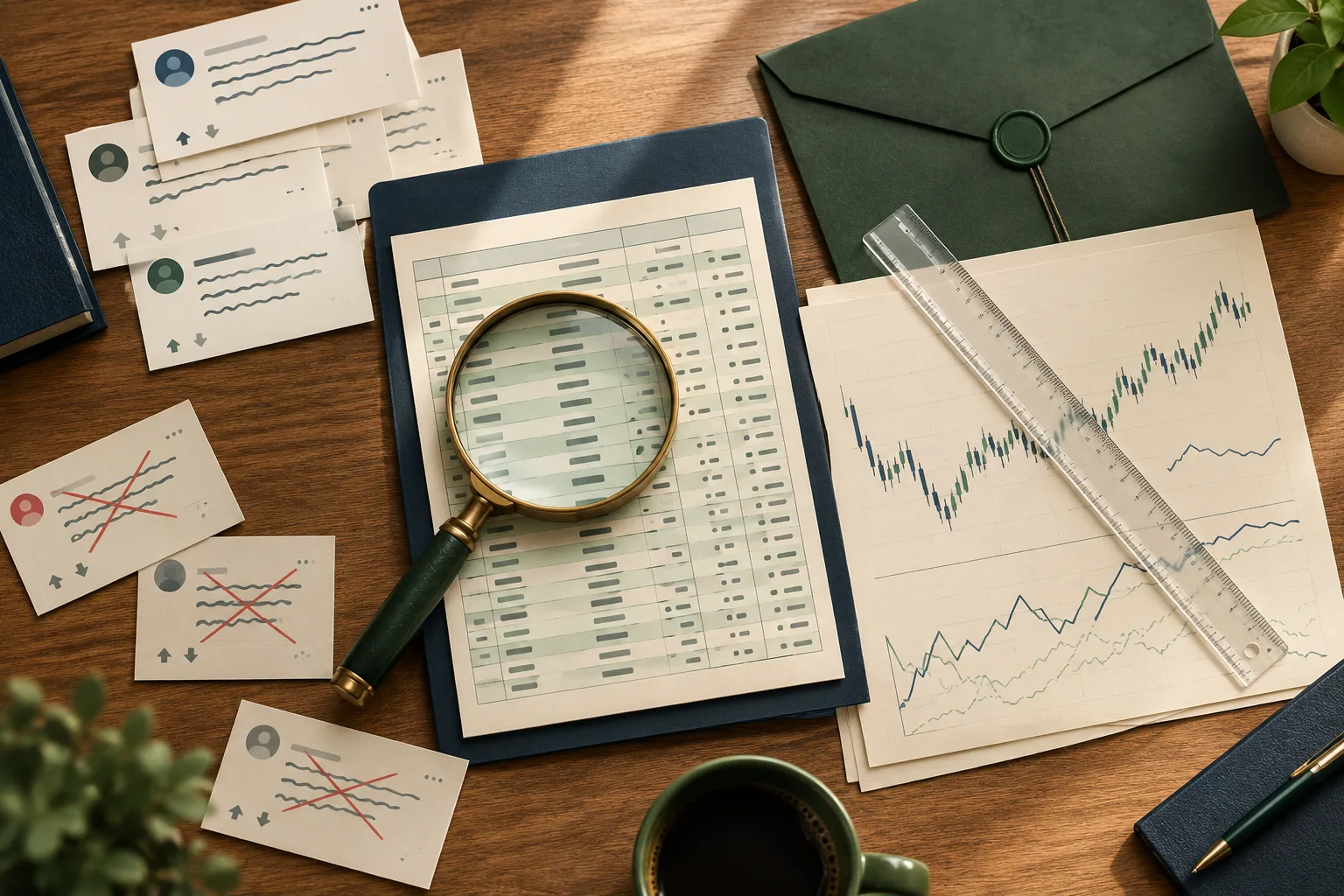
The expensive tips encourage repeated parameter tweaking, unrealistic fills, copying anonymous returns, and funding code no one has inspected. These errors turn a useful experiment into an expensive confidence exercise.
Searches for “algorithmic trading strategies reddit” or an “algorithmic trading strategies PDF” can uncover ideas. A downloadable document or shared script still needs a testable hypothesis and an execution model.
Why do algorithmic traders lose money, and what mistakes cause it?
There is no verified population-wide failure rate for algorithmic trading reddit users in the sources we checked. Common failure mechanisms are easier to identify than a reliable percentage.
Look-ahead bias: The system uses information unavailable at the decision time, such as a closing price to claim an earlier fill. Our look-ahead bias guide shows how to audit an AI-written backtest for it.
Survivorship bias: The asset list excludes companies that disappeared, making the past look easier than it was.
Repeated searching: Each extra parameter choice gives the researcher another chance to fit noise. Record rejected ideas, not just the winner.
Unrealistic execution: The backtest assumes complete fills at convenient prices, ignoring spreads, queues, and trading halts.
A low float, meaning few shares available for public trading, can make those assumptions especially dangerous. Choppy tape, or repeated direction changes, can produce overtrading. A bull trap is a breakout that reverses; a dead cat bounce is a brief recovery inside a broader decline.
Calling a price move overextended doesn’t define an exit. Hoping for a gap fill, a return through a price jump, doesn’t establish a probability either.
For a disciplined workflow, use how to backtest without fooling yourself.
What should happen before live deployment?
Freeze the rules, test untouched data, inspect individual trades, then paper trade it first. Paper trading is most useful for checking behavior, not proving realistic fills.
Verify the bot can recover after a restart without sending duplicate orders. Set exposure limits, define what happens during missing data, and decide who receives an alert.
Getting stopped out should trigger the written process, not revenge trading. A bot can automate that bad habit too if you tell it to increase risk after losses.
See what to know before automating trades for the operational questions.
What taxes and reporting requirements apply?
Tax treatment depends on residence, account type, instrument, and activity. Automation doesn’t remove reporting duties or make every trading expense deductible.
Keep order logs, fills, fees, corporate actions, and broker statements. US traders should check wash-sale treatment and any instrument-specific reporting with a qualified tax professional. International readers need local guidance, especially for cross-border accounts.
Our Take
The useful algorithmic trading reddit advice helps you reject weak ideas before they reach a funded account. Start with a rule you can explain, a dataset you can inspect, and a loss limit you can afford.
Write the hypothesis and failure conditions before running another backtest. Record every change. Compare results after costs with a passive alternative, then test order handling without money.
FullStack Alpha, also searched as “full stack alpha,” favors systems over hacks. Your next task is to audit a saved strategy, not collect another folder of them.
Related: when the logic is ready for a broker connection, our Alpaca review on AI Stock Picker App covers one of the most common API brokers.
References
The sources below support the community context, the 2026 rule change and the commercial figures discussed above. Reddit posts are self-reported material; the TradeAlgo report is commercial evidence, not an independently audited investment study.
-
Q1 2026 Ai Trading Performance Report Algorithm Vs Market Returns
-
FINRA Regulatory Notice 26-10: Day Trading Margin Requirements
Compare tools only after defining the job. The FullStack Alpha directory lists 200+ tools by category and price.
Browse the FullStack Alpha directory.
Affiliate disclosure: FullStack Alpha may earn a commission from qualifying purchases through affiliate links.
By Jay Rocco, Founder and Editor, FullStack Alpha.
Stay alpha.
Frequently Asked Questions
Does algorithmic trading actually work?
Yes. Algorithms can execute rules, manage orders, and enforce limits. Profit requires an advantage that survives costs and new market conditions. Treat algorithmic trading reddit discussions as sources of research questions, not proof that a strategy earns money. Community material provides context, while your own controlled testing must assess the rules.
Can ChatGPT write a trading algorithm?
Yes. ChatGPT can draft strategy code, data-cleaning routines, and broker API examples. It can also invent functions, mishandle timestamps, and introduce look-ahead bias. Review the code, test its calculations, and keep credentials private. For algorithmic trading reddit beginners, working code should begin a testing process rather than end one.
Is algorithmic trading illegal?
Algorithmic trading itself is generally legal where the underlying trading activity is permitted. Laws against manipulation and abusive orders still apply. Broker terms, market access, registration duties, and local rules can restrict particular uses. Trading your own account differs from managing customer money or selling regulated services. Check the rules for your jurisdiction.
Is algo trading profitable?
It can be, but there is no reliable profit expectation for a beginner based on public forum posts. Assess net results, drawdowns, benchmark performance, and research costs. Anonymous profitability discussions cannot establish typical outcomes. For algorithmic trading reddit claims, ask what evidence is missing before treating an account story as repeatable.
Can beginners start algorithmic trading for free?
Beginners can learn with free programming tools, educational material, and simulated accounts where available. Live trading introduces separate expenses and eligibility rules. “Free” data may have coverage or licensing limits, while free code still needs inspection. Start by reproducing a simple calculation before buying subscriptions or connecting a broker account.
Does Reddit advice about forex apply to stocks?
Some research lessons transfer, including cost modeling, untouched testing, and position sizing. Market mechanics differ. Algorithmic trading reddit forex discussions may involve dealer pricing, financing charges, and trading sessions that don't match stocks. Copy the research discipline, then rebuild the execution assumptions for the exact instrument and broker you plan to use.
Jay Rocco is the Founder and Editor of FullStack Alpha. He has tested 200+ AI stock tools since 2022 and run 15+ AI trading platforms on live accounts with his own money. He reviews the software. He does not tell you what stocks to buy.
